

Lighting your home: the complete guide to choosing the right fixtures
Lighting your home the right way: light layers, colour temperature and fixtures. The Sunaya Home guide to a warm, well-balanced atmosphere at home.
Lighting is the quiet hero of every home, transforming a room from merely functional to truly inviting with just the flick of a switch. Think of it as the finishing touch that brings your space to life—whether it’s the soft glow of a table lamp casting a warm pool of light over your favourite armchair or the crisp brightness of a pendant illuminating your kitchen island as you prepare dinner. The right lighting doesn’t just help you see; it shapes how you feel, setting the mood for cosy evenings in or lively gatherings with friends. Start by layering your light: combine ambient lighting for overall brightness, task lighting for focused activities, and accent lighting to highlight artwork or architectural details. Even small changes, like swapping a harsh overhead bulb for a dimmable LED, can make a world of difference.
But lighting isn’t just about practicality—it’s about personality. Your home should reflect your style, and the way you light it is no exception. A statement chandelier in the dining room can add drama, while a cluster of fairy lights in the garden creates a magical retreat. Don’t be afraid to experiment with different fixtures, shades, and even smart bulbs that let you adjust the colour temperature to suit the moment. The key is to balance function and flair, ensuring every corner of your home feels both purposeful and beautiful. With a few thoughtful choices, you can turn even the simplest space into a sanctuary that welcomes you home.
Understanding the three layers of light
Lighting your home well is about more than just flipping a switch—it’s about creating depth, warmth, and functionality in every room. The first layer, ambient lighting, sets the foundation. Think of it as the gentle glow that fills the space, like a well-placed pendant light in the living room or a flush-mount ceiling fixture in the hallway. To get this right, aim for soft, diffused light that avoids harsh shadows. A dimmer switch is your best friend here, letting you adjust the mood from bright and energising to cosy and intimate with just a twist.
Next, task lighting brings focus where you need it most. This is the practical layer that helps you read, cook, or work without straining your eyes. A sleek desk lamp in your study, under-cabinet lights in the kitchen, or a stylish floor lamp beside your favourite armchair all fall into this category. The key is to position these lights where they’ll be most useful—directly over a workspace or at eye level to reduce glare. Finally, accent lighting adds the finishing touch, highlighting your favourite features, like a piece of art or a textured wall. A well-placed wall sconce or a small spotlight can transform an ordinary corner into something truly special.
To go further, explore all our lighting and let yourself be inspired.
Choosing the right colour temperature
When selecting bulbs for your home, think of colour temperature as the mood-setter for each room. Measured in Kelvins (K), lower values around 2,700K emit a warm, cosy glow—perfect for living rooms and bedrooms where you want to unwind. Imagine the soft amber of candlelight; that’s the feeling you’re aiming for in spaces meant for relaxation. For kitchens and bathrooms, consider 3,000K to 3,500K, which offers a neutral white light that balances warmth with clarity, making tasks like chopping vegetables or applying makeup easier. If you’re lighting a home office or study, opt for 4,000K or above for a cooler, more energising light that keeps you focused.
Don’t be afraid to mix temperatures to suit different activities. A dimmable warm white bulb in your reading nook can create intimacy, while a brighter, cooler light over your desk ensures productivity. Pay attention to how natural light interacts with your artificial lighting throughout the day—north-facing rooms may benefit from warmer tones to counteract cooler daylight, while south-facing spaces can handle slightly cooler bulbs. Always check the packaging for the Kelvin rating, and if possible, test bulbs in situ before committing. The right temperature doesn’t just illuminate; it transforms a house into a home that feels just right.
| Lighting type | Role | Recommended fixtures |
|---|---|---|
| Ambient lighting | The room's base light | Pendant, ceiling light |
| Task lighting | Precise activities | Desk lamp, wall light |
| Mood lighting | Creating atmosphere | Table lamp, string lights |
| Accent lighting | Highlighting features | Adjustable spot, design wall light |
Lighting each room according to its use
Every room in your home serves a unique purpose, and the right lighting can transform how you experience it. In the kitchen, layer task lighting with ambient glow—install under-cabinet LEDs to illuminate worktops while keeping shadows at bay, and pair them with a statement pendant or two over the island for warmth and focus. For the living room, think flexibility: a dimmable floor lamp near your favourite armchair creates cosy reading nooks, while recessed lighting or a sleek chandelier sets the mood for gatherings. Don’t forget accent lighting—wash a textured wall with a directional spotlight or highlight artwork to add depth and character.
Bedrooms thrive on soft, adjustable light that eases you into the day and winds you down at night. Opt for bedside lamps with warm, diffused shades to avoid harsh glare, and consider a dimmer switch for overhead lighting to control the ambience. If you have a dressing area, a well-placed mirror with integrated lighting or a slim wall sconce ensures flattering, even illumination. In bathrooms, prioritise clarity and safety with moisture-resistant fittings—recessed downlights or a backlit mirror provide crisp task lighting for grooming, while a small, stylish ceiling fixture adds a touch of elegance. The key is to blend function with feeling, so each space feels both practical and inviting.
- Aim for 2700 to 3000 K for a warm, welcoming light
- Multiply light points rather than a single ceiling light
- Adjust intensity with dimmers
- Favour high energy-class LED bulbs
Also discover our decor inspiration to keep the inspiration going.
Pendants, lamps and wall lights: each has a role
Pendants, lamps, and wall lights aren’t just sources of light—they’re the finishing touches that shape the mood of your home. A well-placed pendant over a dining table, for instance, can create an intimate glow that encourages lingering conversation, while a pair of adjustable wall lights flanking a sofa offers both task lighting for reading and a soft, ambient wash when dimmed. Think about the function of each space first: a sculptural floor lamp in a corner can add warmth to an empty nook, while a cluster of mini pendants above a kitchen island provides focused light for meal prep without overwhelming the room. The key is to layer these fixtures so they work together—start with a statement piece, then build around it with smaller lights to balance brightness and style.
When choosing, consider scale and proportion to avoid a cluttered or mismatched look. A large pendant in a small room can feel overpowering, just as a tiny table lamp on a vast console might disappear. For a cohesive scheme, stick to a consistent finish—brushed brass, matte black, or warm wood tones—to tie everything together, even if the shapes vary. And don’t forget the bulbs: opt for warm white (2700K-3000K) in living areas for a cosy feel, and cooler tones (4000K) in task-heavy zones like home offices. The right lighting doesn’t just illuminate; it transforms a house into a home, one thoughtful fixture at a time.
In the shop, browse our pendant lights, and our our buying guides.
Mastering intensity and consumption
Choosing the right brightness for each room isn’t just about wattage—it’s about creating the perfect atmosphere while keeping energy use in check. Start by matching lumens to the space: aim for 250–400 lumens per square metre in living areas where you relax, and up to 500 lumens in task-heavy zones like kitchens or home offices. Dimmable LEDs are your best friend here, letting you adjust the mood from soft evening glow to crisp, focused light with a simple twist. Pair them with smart bulbs or motion sensors in hallways and bathrooms to cut waste—no more leaving lights on when you dash out. And don’t overlook colour temperature: warm whites (2700K–3000K) cosy up bedrooms and lounges, while cooler tones (3500K–4000K) sharpen focus in workspaces.
To trim consumption without sacrificing comfort, layer your lighting like a pro. Use ambient lighting—think ceiling fixtures or floor lamps—as your base, then add targeted task lighting (under-cabinet strips, desk lamps) only where you need it. Swap old halogen bulbs for LEDs, which use up to 90% less energy and last years longer. If you’re feeling tech-savvy, invest in a smart plug or lighting system that lets you schedule lights to turn off automatically or dim when natural light is abundant. Small tweaks, like placing mirrors opposite windows to bounce daylight deeper into a room, can reduce reliance on artificial light during the day. It’s all about working smarter, not harder—your wallet and the planet will thank you.
In short, keep these key points in mind:
- Layer the three levels of light
- Aim for a warm temperature in the evening
- Multiply the light points
- Control intensity with dimmers
LightingEurope, the European lighting industry association, recommends layering several light sources to combine visual comfort with energy efficiency. European Lighting Industry (LightingEurope)
Lighting mistakes to avoid
One of the most common pitfalls in home lighting is relying too heavily on a single overhead fixture. While a central light might seem like a practical solution, it often leaves rooms feeling flat and uninviting, casting harsh shadows and failing to highlight the textures and features that make your space unique. Instead, layer your lighting by combining ambient, task, and accent sources—think a statement pendant for general illumination, a sleek floor lamp beside your favourite armchair, and discreet spotlights to draw attention to artwork or architectural details. This approach not only adds depth but also allows you to adjust the mood effortlessly, whether you’re hosting a dinner party or curling up with a book.
Another mistake is neglecting the warmth of your light bulbs, which can dramatically alter the feel of a room. Cool white bulbs (4000K and above) may be efficient, but they can make a cosy living room feel sterile or a bedroom feel more like a clinical space. Opt for warm white bulbs (2700K–3000K) in living areas and bedrooms to create a soft, welcoming glow, and reserve cooler tones for task-oriented spaces like kitchens or home offices. Don’t forget to consider dimmable options—adjusting the brightness lets you tailor the atmosphere to the moment, whether you’re winding down in the evening or setting the stage for a lively gathering. Small tweaks like these make all the difference in crafting a home that feels both stylish and comfortable.
Want to go further? Find our decor ideas and our outdoor inspiration.
Frequently asked questions
Everything you need to know about this topic.
A question?
Get in touch directly.
Discussion
Our advice related to Buying-guides
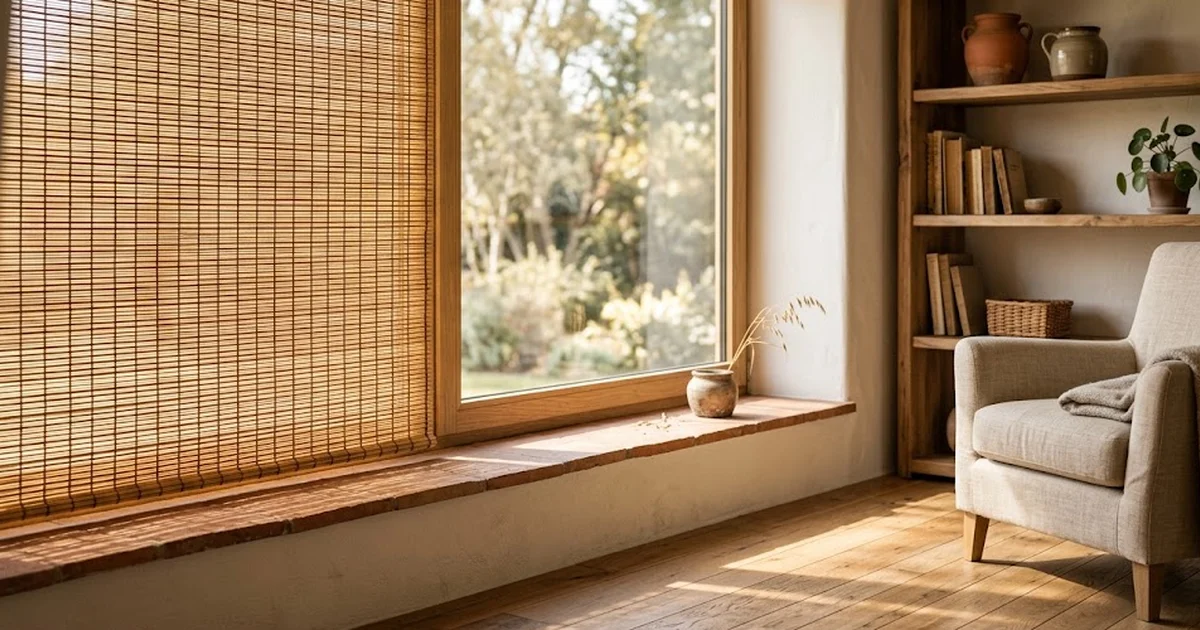 buying-guides
Le store en bambou : tamiser la lumière avec une matière naturelle
Découvrez comment le store en bambou filtre la lumière, son entretien face à l'humidité et les pièces où il révèle tout son potentiel naturel.
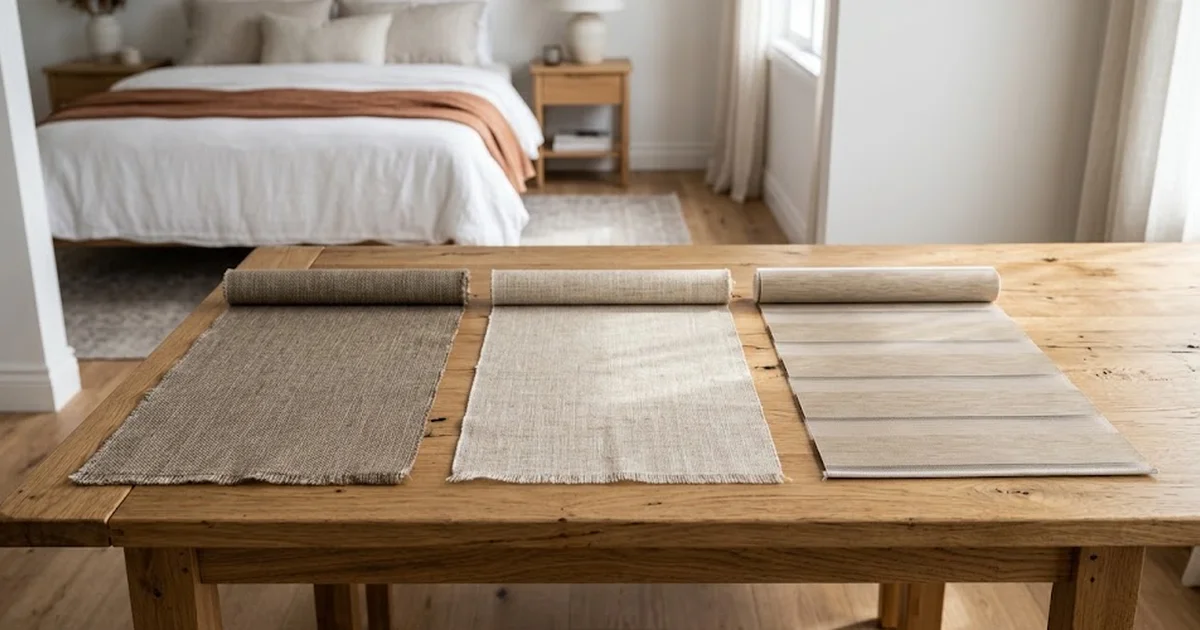 buying-guides
Store enrouleur occultant, tamisant ou jour-nuit : lequel pour quelle pièce
Chambre, bureau ou séjour : quelle toile de store enrouleur choisir selon l'usage réel de chaque pièce. Guide clair, sans promesse chiffrée, par Sunaya Home.
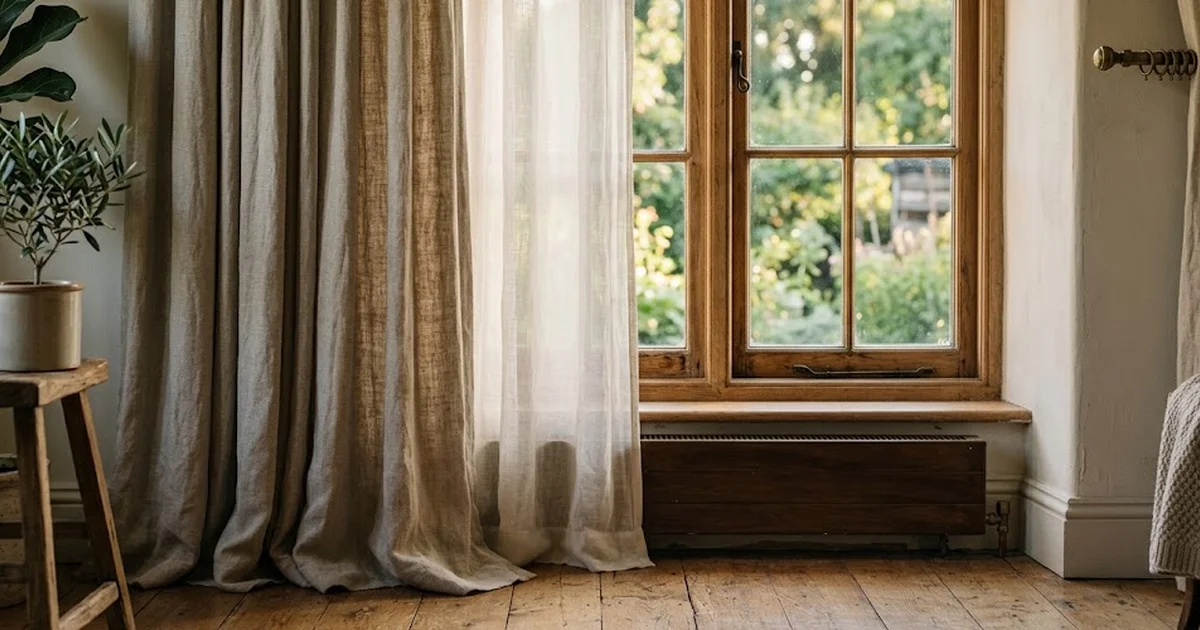 buying-guides
Store, rideau ou voilage : choisir selon l'exposition de la pièce
Nord, sud, est, ouest : découvrez comment choisir store, rideau ou voilage selon l'orientation et l'usage de chaque pièce, avec nos conseils Sunaya Home.